FHA loans are insured by the Federal Housing Administration (FHA) and an excellent Sober living home option for first-time homebuyers and borrowers with a lower credit score who may not qualify for conventional financing. They offer programs with a 3.5% down payment, and gift funds from family members are allowed to help with closing costs. This financing is available only for purchasing a home in which you intend to live as your primary residence, and loans must conform to FHA Loan Limits. If you currently have an FHA mortgage, there are also refinancing options available, as well as home improvement programs. Oxford Houses play a vital role in the continuum of care for individuals recovering from substance use disorders, providing a proven and effective model for long-term recovery and community reintegration.

What is the Difference Between Sober Living and Outpatient Treatment
It could be a family member, stresses from a job or just a specific memory of an environment. There are over 3500 self-sustaining Oxford Houses in the United States and more than 24,000 individuals in recovery living in these houses at any one time during the year. A recovering individual can live in an Oxford House for as long as he or she does not drink alcohol, does not use drugs, and pays an equal share of the house expenses. The average stay is about a year, but many residents stay three, four, or more years. Generally an individual comes into an Oxford House following a 28-day rehabilitation program or at least a 5 to 10 day detoxification program.
Financial Considerations and Duration of Treatment
We invite you to view our testimonials to learn more about how we help our clients achieve their recovery goals and make long-lasting positive changes. If you have already gone through rehab, but you’re not quite ready to live independently, this type of facility may be an excellent fit for you. People living with substance use disorder (SUD) typically require intensive treatment and support to overcome it and move forward. Alcoholics Anonymous (AA) originated in the 1930s and provided the steppingstones for sober housing by requiring strict sobriety, participation in the community, peer support, and a 12-step program.
Q: What comes first, detox or rehab?
If you or someone you love needs support during addiction recovery, you are not alone. Contact the sober living specialists at New You Sober Living to learn about our programs. There are many types of treatment and recovery support to meet each person’s unique needs. It is crucial to find the treatment and support programs that can help you meet your goals in recovery and maintain sobriety. Our mission is to foster long-term sobriety by creating a supportive environment where house members participate in each other’s recovery. We encourage everyone to reinforce positive lifestyle changes through adventure, support, and peer feedback.
- Perelman School of Medicine defines inpatient rehab as a place where intensive treatment and medical support can be received during the most difficult early stages of the recovery process.
- In contrast, sober living homes are often run by a house manager who only has lived experience in recovering from addiction.
- Sober living homes are ideal for those who have completed rehab and need a substance-free space to rebuild routines, find employment, and strengthen their recovery in general.
- Sober living homes provide a crucial bridge between intensive treatment and fully independent living, offering individuals in recovery a safe space to rebuild their lives.
- The core components of a holistic treatment plan include therapy, somatic work, nutrition, and spiritual care.
Sober Living Homes Cost vs Drug Rehabs Cost
The rules and structure are not to restrict behavior, but to foster actual growth in different areas of your life. Your length of stay in basic sober living compared to recovery homes can vary. We don’t set a limit on residency, instead, you can stay for as long https://vortextec.net/how-to-identify-and-address-loneliness-in-recovery-3/ as six months, a year, or until you graduate from the program if it helps your long-term success. Explore more about how BHouses can guide you through the differences between rehab and sober living, helping you choose the best path for lasting success. The outcomes of living in such an environment can include positive health, behavioral, and relationship changes.
- So, your first step should be to talk with your insurance provider about your needs.
- Moreover, active involvement in some form of therapy sessions or a 12-step support group (like Alcoholics Anonymous) isn’t just encouraged but required in many cases.
- This creates a peer support system where people motivate each other and share experiences.
Benefits of Drug Rehab Facilities
Yes, sober living homes encourage employment and self-sufficiency while maintaining accountability. If you or a loved one are seeking a supportive and structured environment for recovery, Zen Mountain Sober Living is here to help. Remember, rehab isn’t just about quitting substances—it’s about learning to live a healthier, more balanced life. Rehab costs can vary significantly depending on the type of program and duration.
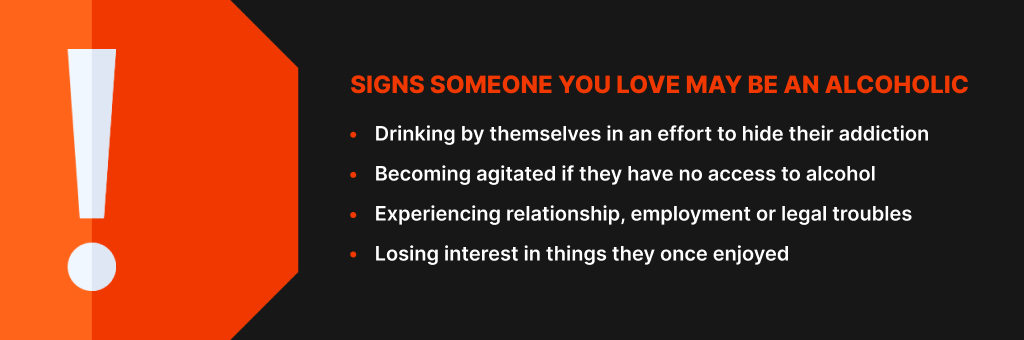
A monitored location is one step up and has a house manager present who sets rules and procedures and holds individuals accountable. sober living vs rehab People who are working through recovery often enter residential programs for intensive care. However, walking back into the same life — the same home, surrounded by the same people and often in the same high-risk environment — is never ideal. Those who lack a stable, drug-free and alcohol-free living environment are at high risk of relapsing.
Accountability and Support
Our team provides personalized assessments to create an individualized sober living experience. We evaluate your clinical progress, legal obligations, financial situation, and recovery goals to recommend evidence-backed options. Halfway houses generally facilitate shorter-term transitions, often lasting three to six months. The primary goals are meeting immediate legal requirements, securing basic stability (like initial employment), and demonstrating compliance before moving to less supervised settings or independent living. The focus is often on fulfilling obligations and establishing an initial community footing. Though there is plenty of information about sober living vs halfway houses there are still many misconceptions.